Restful Nights in Singapore's Tropical Heat
Tested methods for temperature management, bedroom setup, and sleep habits that actually work in equatorial humidity. Written from real experience in Singapore's climate.
Recent Guides
In-depth articles on sleep improvement strategies tailored to tropical living conditions in Singapore.

Cooling Strategies for Tropical Bedrooms
Air conditioning settings, fan placement techniques, and ventilation configurations that maintain 24-26 degrees Celsius without running up electricity bills in Singapore.
Read full article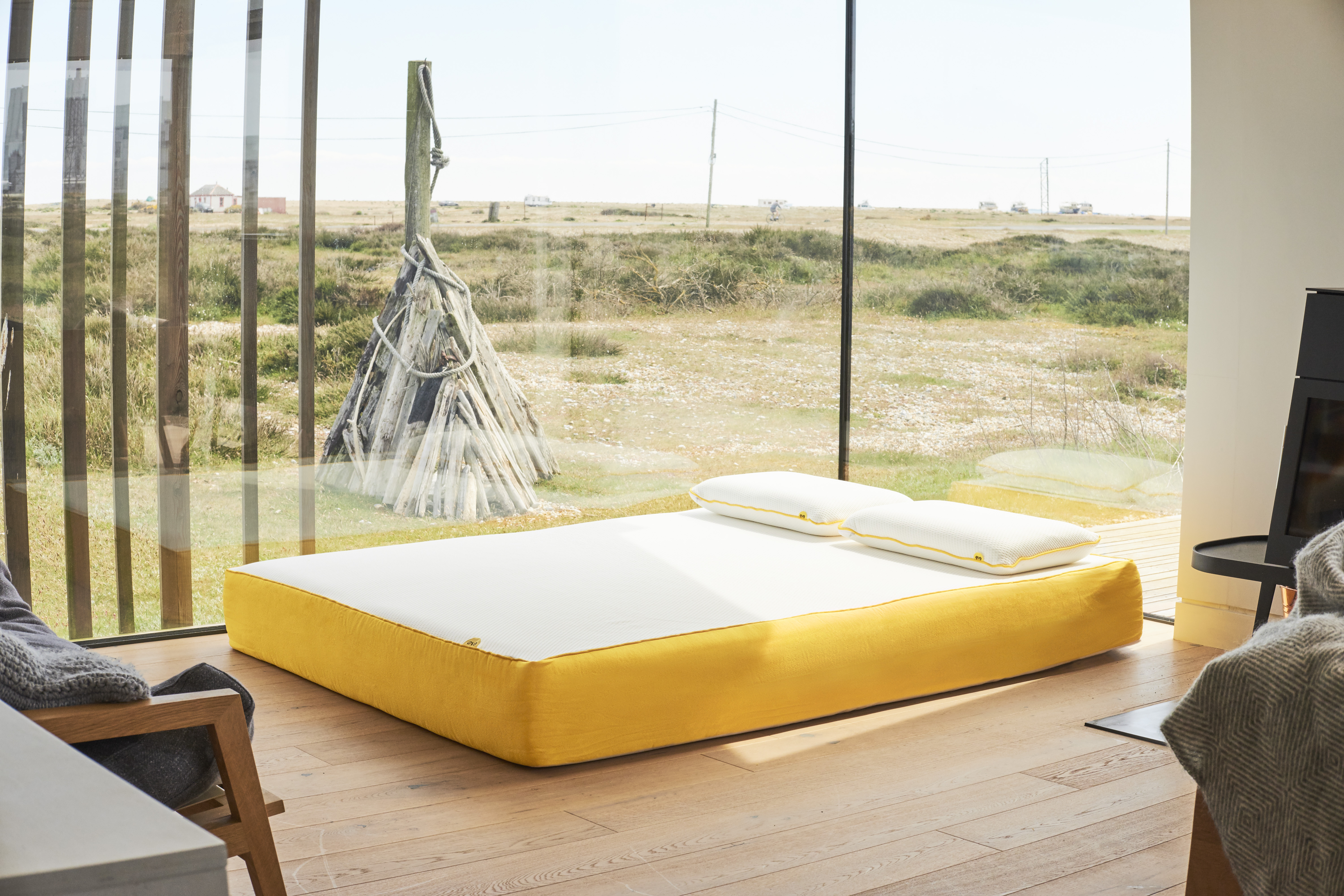
Choosing the Right Mattress in Singapore
Latex vs memory foam vs hybrid options tested in 30+ degree heat. Breathability ratings, firmness comparison, and where to try them in-store across Singapore.
Read full article
Noise Reduction for Better Sleep in HDB Flats
Practical soundproofing methods for HDB apartments, from acoustic curtains to white noise machines, addressing common Singapore noise sources.
Read full articleWhy Tropical Sleep Requires Different Approaches
Singapore's average nighttime temperature rarely drops below 25 degrees Celsius, with humidity consistently above 80%. Standard sleep advice from temperate regions often fails here. The body's core temperature needs to drop by approximately 1 degree for sleep onset, which becomes significantly harder when ambient air is already warm and moisture-saturated.
Residents in HDB flats and condominiums face additional challenges: heat retention in concrete structures, external noise from nearby roads and construction, and limited airflow in high-density layouts. Each of these factors requires specific, local solutions rather than generic recommendations.
Temperature Control
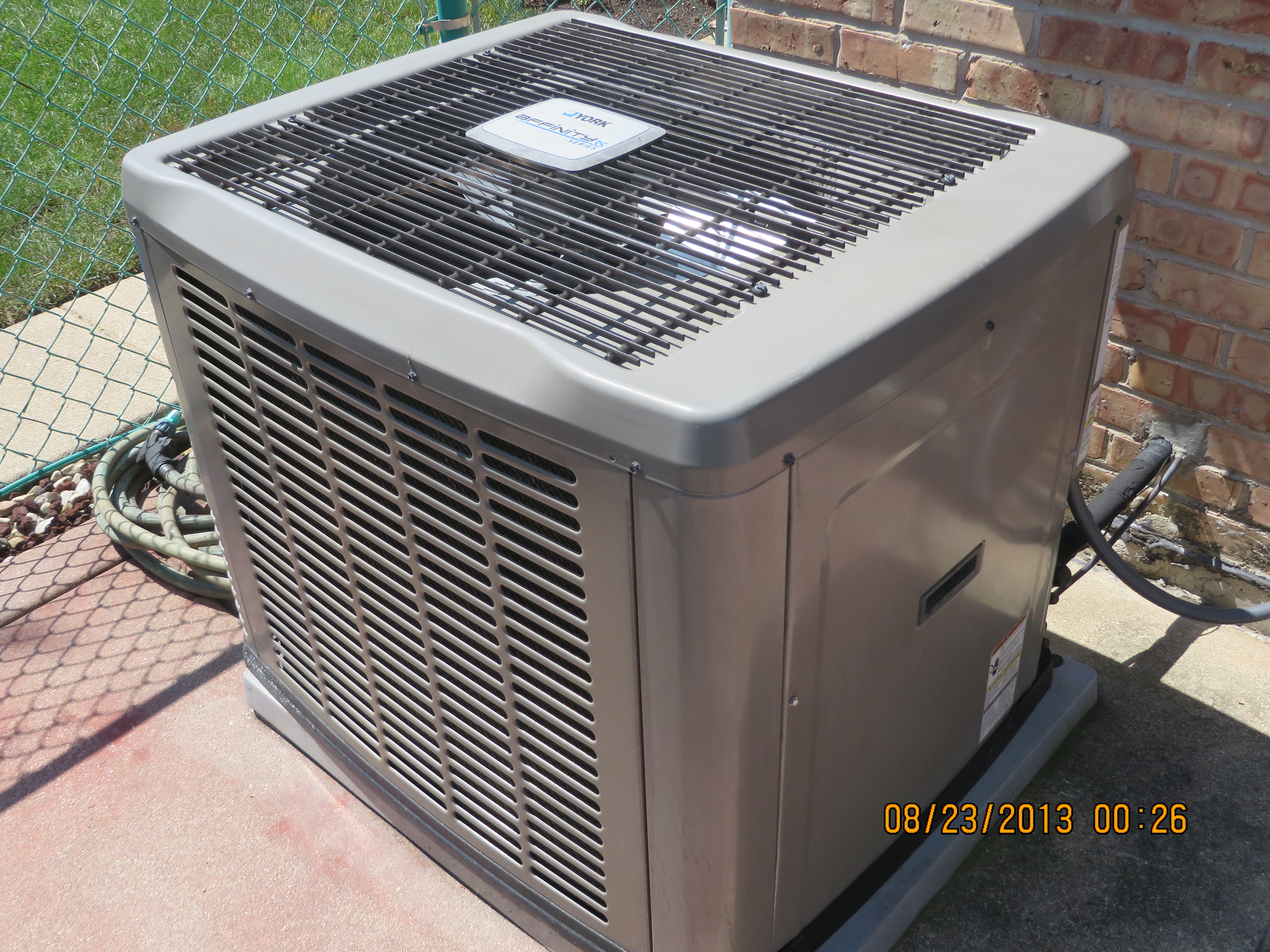
The National Environment Agency records Singapore's average nighttime temperature at 25.4 degrees Celsius. Setting the air conditioner between 24-26 degrees with a timer for the first 3 hours of sleep balances comfort and energy efficiency. Using a fan simultaneously allows raising the AC temperature by 2 degrees while maintaining perceived coolness.
Humidity Management
Relative humidity in Singapore bedrooms can exceed 85% at night. A standalone dehumidifier set to maintain 50-60% relative humidity measurably reduces the clammy sensation on skin. Silica-gel based moisture absorbers placed near windows provide a budget-friendly alternative for smaller rooms under 15 square metres.
Light Exposure Timing
Singapore's proximity to the equator means roughly 12 hours of daylight year-round, with sunrise at approximately 7:00 AM. Blackout curtains rated at 99% light blocking are essential for shift workers. For regular schedules, limiting blue light exposure from screens after 9:00 PM and using amber-tinted lighting supports the natural melatonin cycle.
Bedding Materials That Suit Equatorial Conditions
Natural latex mattresses manufactured in Southeast Asia perform well in high-humidity environments because they resist dust mites and mould without chemical treatment. The open-cell structure allows airflow, which prevents the heat-trapping effect common with standard memory foam.
For sheets, 100% Tencel (lyocell) fabric absorbs 50% more moisture than cotton, keeping the skin surface drier. Thread counts between 300-400 provide the best balance of breathability and durability. Bamboo-derived fabrics offer similar moisture-wicking properties at a lower price point, though they tend to pill faster with frequent washing.

Quick Reference: Sleep Environment Checklist
Based on testing and feedback from Singapore residents across different housing types.
HDB 3-4 Room Flats
Install ceiling fans rated at minimum 56 inches. Use window film to block solar heat gain. Place the bed away from the window wall if facing west. Consider a portable AC unit for the bedroom if central air is unavailable. Budget approximately SGD 400-800 for meaningful improvements.
Condominiums
Take advantage of existing central AC by scheduling 24 degrees for the first half of sleep, then 26 degrees for the second half. Invest in a mattress topper with cooling gel if replacing the full mattress is not feasible. Balcony doors with acoustic seals reduce pool-area noise by up to 15 decibels.
Landed Properties
Cross-ventilation is most effective when windows on opposite walls are opened to at least 30% of their area. Install mosquito netting that permits airflow (mesh count below 200 per square inch). Roof insulation with radiant barrier reduces attic heat transfer by approximately 40%, which directly benefits upper-floor bedrooms.